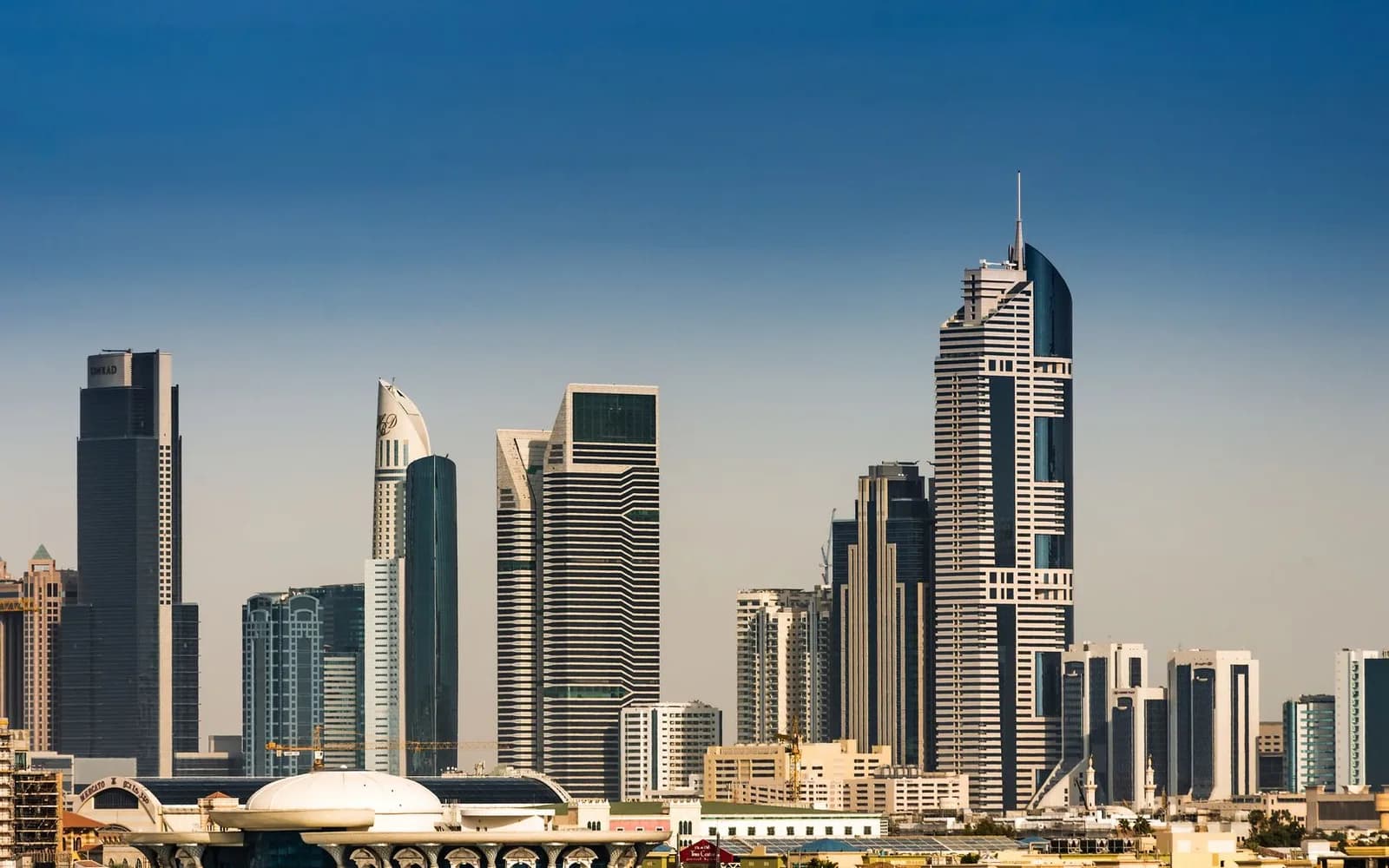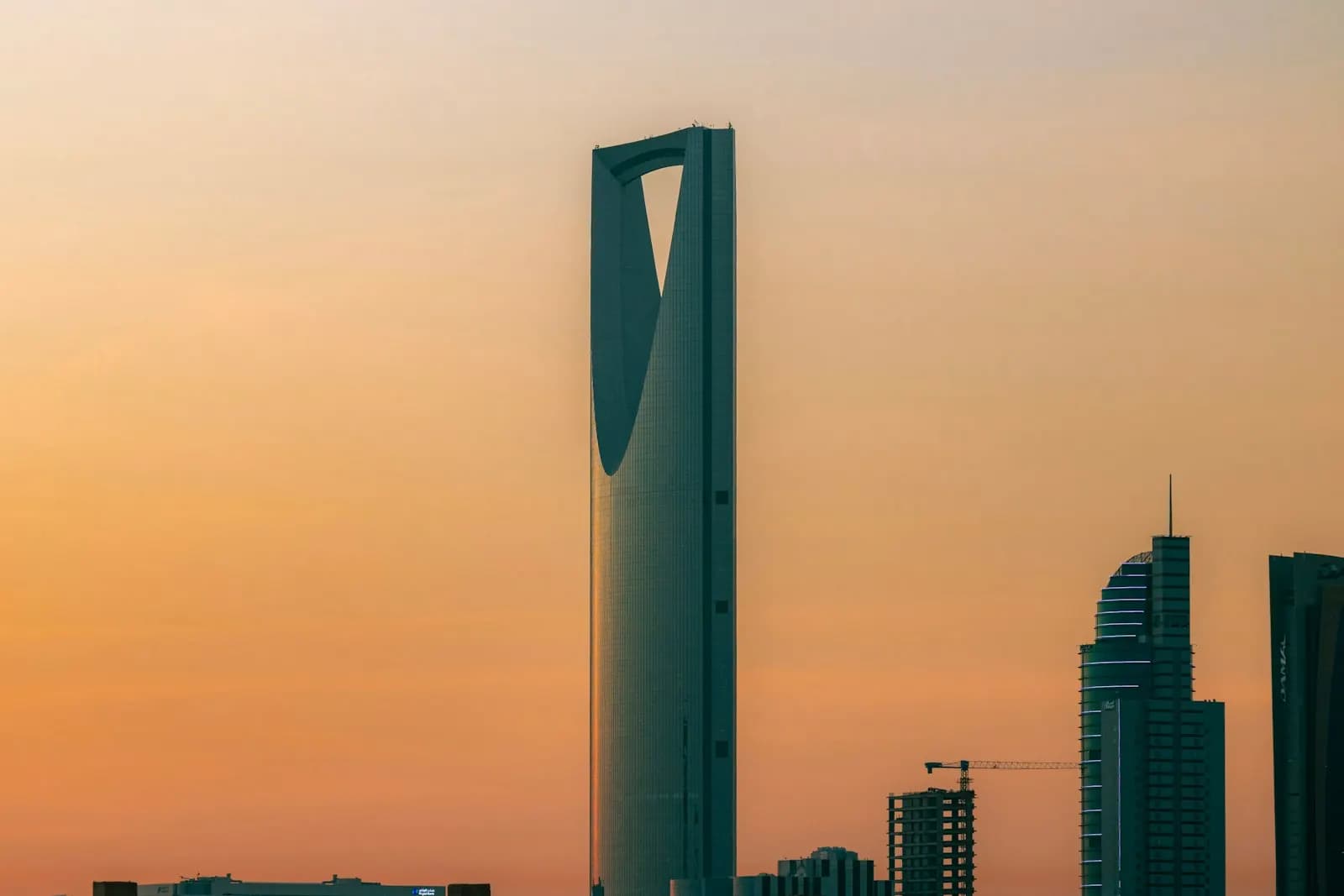

Applying for jobs in the Gulf? The basics of a strong CV stay the same, but employers here look for a few extra details. Here is how the three biggest markets compare.
Side by side
| UAE | Saudi Arabia | Qatar | |
|---|---|---|---|
| Photo | Common | Common | Common |
| Nationality | Usually listed | Important | Usually listed |
| Visa status | Often listed | Listed for expats | Often listed |
| Length | 2 pages | 2 pages | 2 pages |
| Main portals | LinkedIn, Bayt, Naukrigulf | LinkedIn, Bayt, Naukrigulf | LinkedIn, Bayt, Naukrigulf |
What to include
- Professional photo, if you choose to add one: plain background, business clothing
- Nationality, since many roles consider visa and quota requirements
- Current location and visa status, for example "Dubai, UAE · Employment visa, transferable"
- Notice period or availability
- Driving license, if relevant to the role
- Languages, with level
What to leave out
- Religion
- Father's name
- Passport number
- Full date of birth (age is optional)
- Skill bars and hobby lists
Religion: Islam · Father's Name: Ahmed · Passport No: AB1234567
Nationality: Jordanian · Dubai, UAE · Employment visa, transferable · Available in 30 days
Market notes
UAE. A very international market. Strong English, results and clear visa status help you stand out.
Saudi Arabia. Many roles are linked to Saudization targets, so nationality matters. Professional registrations such as the Saudi Council of Engineers add credibility.
Qatar. Large infrastructure, energy and hospitality sectors. Relevant certifications and Gulf experience carry weight.
The bottom line
A Gulf CV is a clean ATS CV with a few regional details added. Include what employers use to make decisions, leave out personal information they don't need, and show results in numbers and local currency where you can.